At a glance
- Fit decides sound quality, noise isolation and comfort, so a good seal comes first.
- Noise cancelling under $100 handles steady low rumble well, and voices less so.
- Look for multipoint, a water-resistance rating and an app with EQ before chasing codecs.
Fit comes before everything else
With in-ear buds, the seal between the tip and your ear canal does most of the work. A poor seal means thin bass, weak noise isolation and buds that work loose when you move. Before judging any pair, try every tip size in the box, and do not assume both ears take the same size.
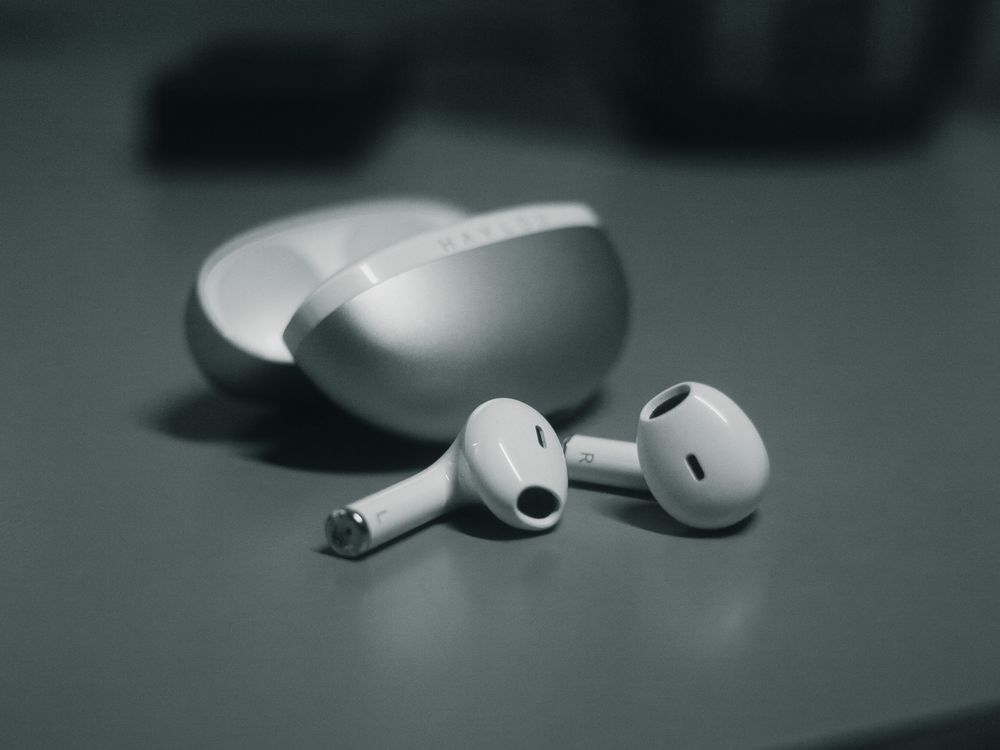
Stem-style buds tend to sit more securely and place the microphones closer to your mouth. Compact stemless buds are more discreet and comfortable when lying down. Open-fit buds that rest in the ear without a silicone tip are comfortable and keep you aware of your surroundings, but they leak sound and offer little noise isolation.
What noise cancelling can do at this price
Active noise cancelling (ANC) is now common under $100. At this level it is good at reducing constant low-frequency noise such as engines, air conditioning and train rumble. It is less effective against voices, keyboards and sudden sounds; passive isolation from a well-fitting tip does much of that job.
A transparency or ambient mode, which passes outside sound through the microphones, is just as useful day to day. It lets you hear announcements or hold a short conversation without taking the buds out.
Battery, charging and durability
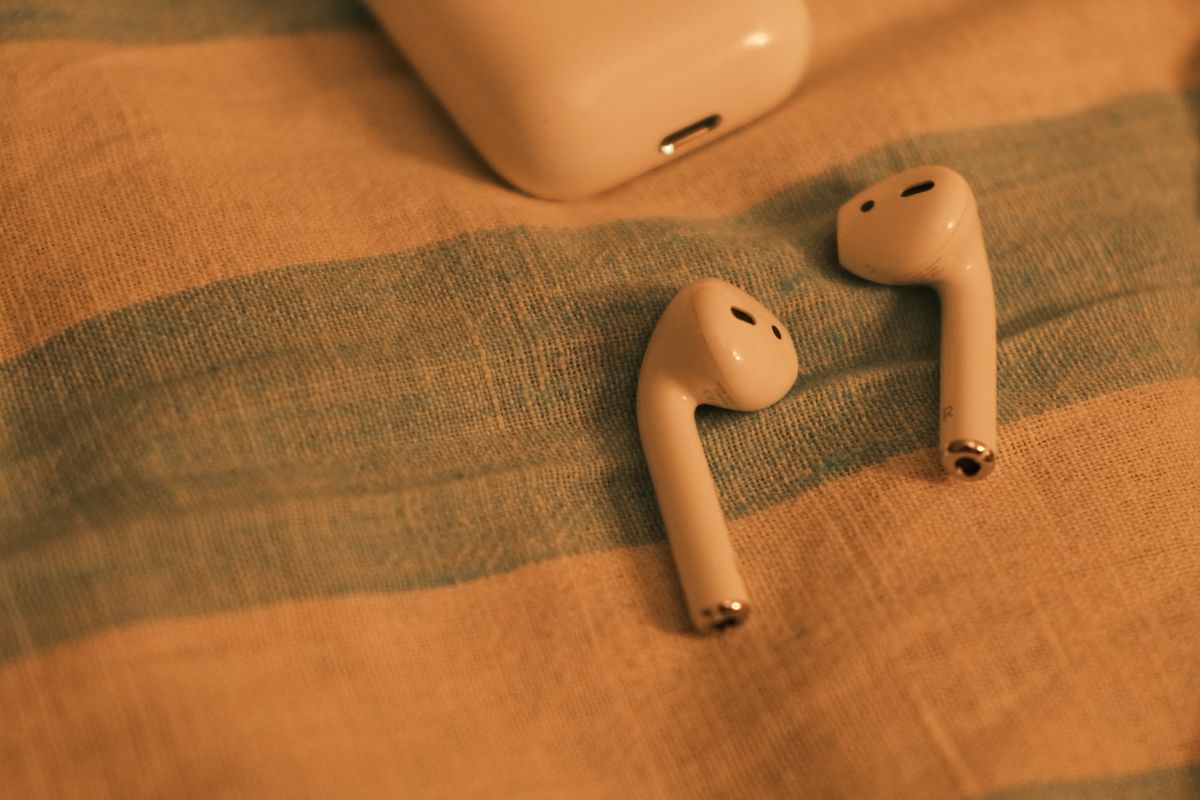
Expect roughly six to ten hours from the buds on a charge with ANC off, less with it on, and two to four extra charges from the case. A quick-charge feature that gives an hour of listening from ten minutes in the case is more useful in practice than a very large total figure.
For workouts or rain, check the ingress protection rating. IPX4 means the buds resist sweat and splashes; higher numbers add protection against jets or immersion. Note that the rating usually applies to the buds, not the charging case.
Features worth checking
A few features make a real difference to daily use.
- Multipoint: stay connected to a laptop and phone at once and switch automatically.
- Companion app with EQ: lets you correct a sound signature that is too bass-heavy or too sharp.
- In-ear detection: pauses playback when you remove a bud.
- Codec support: AAC and SBC cover almost everyone. Higher-bitrate codecs only help if your phone supports them too.
Which style suits which use
| Use | Look for | Can compromise on |
|---|---|---|
| Commuting | ANC, transparency mode, secure seal | Water resistance |
| Gym and running | IPX4 or better, stable fit, physical controls | ANC strength |
| Work calls | Multipoint, stem-style microphones | Bass response |
| All-day casual | Comfort, light weight, long battery | Codec support |
Who it suits
A good choice if
- You want everyday buds for commuting, calls and the gym
- You are happy with good rather than class-leading noise cancelling
- You tend to lose or wear out earbuds and prefer not to overspend
Think twice if
- You fly often and want the strongest noise cancelling available
- Call quality in noisy streets is critical to your work
- You cannot get a comfortable seal with in-ear tips
Questions
Does driver size matter?
Not much on its own. Tuning and fit affect what you hear far more than a millimetre or two of driver diameter.
Are cheap earbuds safe for workouts?
Yes, as long as they carry at least an IPX4 rating. Dry them before putting them back in the case.
How long do earbud batteries last overall?
The small batteries degrade with use. Noticeably shorter listening time after two to three years of regular use is normal for any brand.
The bottom line
Under $100 you can expect solid sound, useful noise cancelling and a full feature set. Choose on fit and the features you will use daily, and ignore driver size and headline battery totals.
How this guide was made. It is based on published specifications and general product research, not laboratory testing. Prices are approximate, in US dollars, and change often. It is general information, not professional advice.