At a glance
- Capacity in watt-hours tells you how long it runs; output in watts tells you what it can run.
- Expect to use roughly 85% of the stated capacity after conversion losses.
- LiFePO4 batteries are heavier but last several times more charge cycles.
- Check recharge speed; a large battery that takes all day to refill is less useful.
Capacity: how long will it run?
Capacity is measured in watt-hours (Wh). In principle a 500 Wh station runs a 50 W device for ten hours. In practice the inverter and electronics lose some energy, so a realistic rule is: run time in hours equals capacity times 0.85, divided by the device's wattage.
That 500 Wh station would run a 60 W laptop for about seven hours, or a 10 W router for around forty. Add up the wattage of what you want to power at once and the hours you need, and you have the capacity to shop for.
Output: what can it run?
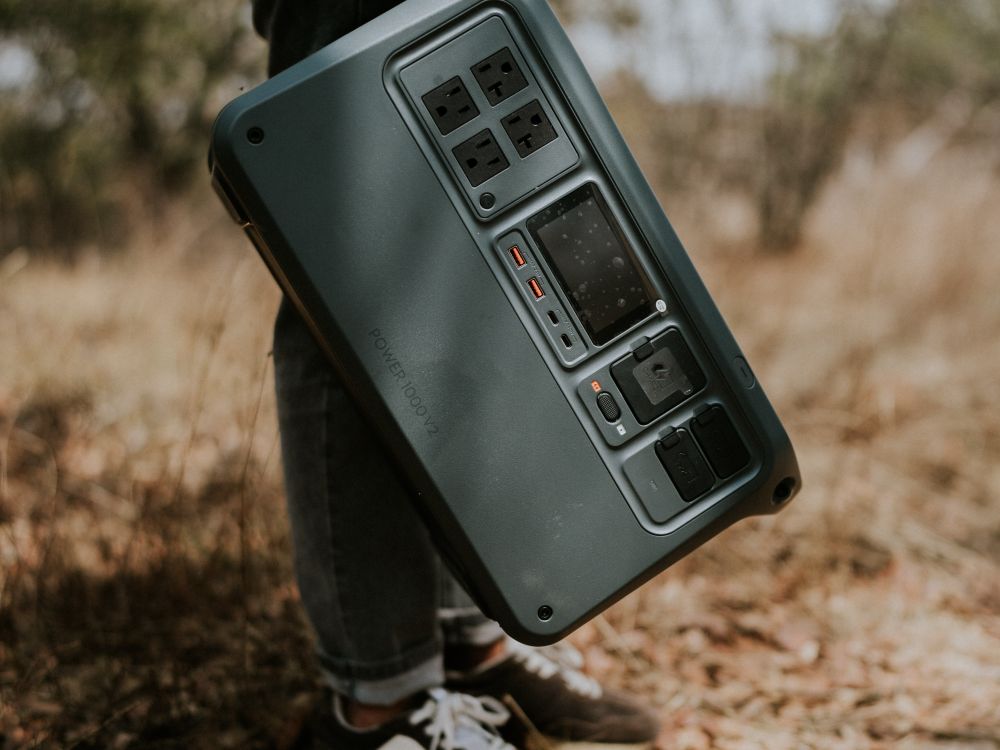
The inverter rating is the maximum continuous power from the AC outlets. A 600 W inverter will handle laptops, lights, fans and a small cooler, but not a 1,500 W kettle or hair dryer, however large the battery.
Motors and compressors draw a brief surge when starting, so check the surge rating if you plan to run a fridge or power tools. A pure sine wave inverter, now standard on reputable models, is the safe choice for sensitive electronics. USB-C ports with high-wattage Power Delivery let you charge laptops directly and more efficiently than through the AC outlet.
Battery chemistry
Two lithium chemistries dominate. Lithium iron phosphate, written LiFePO4 or LFP, is commonly rated for a few thousand charge cycles before dropping to around 80% capacity, and is more tolerant of heat. It is heavier for the same capacity.
Lithium nickel manganese cobalt, or NMC, stores more energy per pound, which makes for a lighter unit, but is typically rated for several hundred cycles. For regular use or home backup, LFP is usually the better long-term value. For occasional trips where weight matters, NMC is still reasonable.
Recharging and solar
Recharge time varies widely. Some stations refill from a wall outlet in about an hour; others take most of a day. Car charging is slow and best treated as a top-up.
For solar, look at the maximum solar input in watts and the accepted voltage range, and make sure the panel connector matches. Panels rarely deliver their rated power outside ideal conditions; expecting about half to three-quarters of the rating over a sunny day is realistic.
Sizing guide
| Capacity | Typical weight | Good for |
|---|---|---|
| 250 – 300 Wh | 6 – 9 lb | Phones, cameras, a laptop, lights for a weekend |
| 500 – 700 Wh | 12 – 18 lb | Car camping, CPAP overnight, working remotely |
| 1,000 – 1,500 Wh | 25 – 40 lb | Short power cuts, portable fridge, small appliances |
| 2,000 Wh and up | 45 lb or more | Home backup for essentials, van living, tools |
Who it suits
A good choice if
- You camp, travel or work away from mains power
- You want quiet, fume-free backup for essentials during outages
- You know the wattage of the devices you need to run
Think twice if
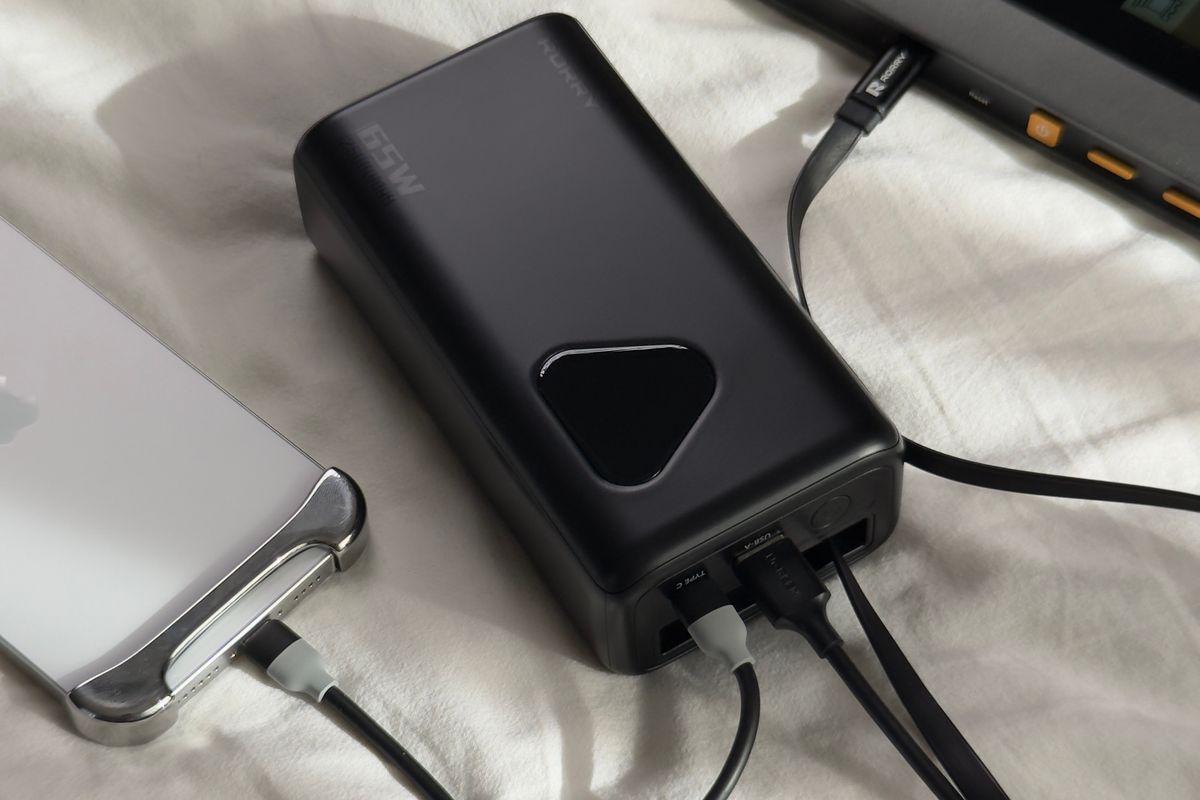
- You only need to charge phones; a power bank is lighter and cheaper
- You expect to run heating or air conditioning for hours
- You need days of whole-home backup; that calls for a larger installed system
Questions
Can I use it while it is charging?
Most models support pass-through charging. Some also offer a UPS-style mode that switches to battery when mains power fails; check the switchover time if you plan to protect a computer.
How should it be stored?
Keep it in a cool, dry place at a partial charge, and top it up every few months. Avoid leaving it fully empty.
Can I take one on a plane?
Generally no. Airline limits on lithium batteries are far below the capacity of most power stations. Check your airline's rules for exact figures.
The bottom line
Do the sums before you shop: total watts for the inverter, watt-hours for the run time. Then choose LFP if you will use it often and compare recharge speeds among what is left.
How this guide was made. It is based on published specifications and general product research, not laboratory testing. Prices are approximate, in US dollars, and change often. It is general information, not professional advice.