At a glance
- Navigation is the feature that separates a robot you use daily from one that ends up in a closet.
- Suction ratings in pascals are hard to compare between brands; brush design matters just as much.
- A self-emptying dock is the upgrade most owners say they would not give up.
- Measure the clearance under your sofa and bed before you buy.
Start with navigation
Every robot vacuum has to answer one question: where am I, and where have I already cleaned? How it answers decides almost everything about living with it.
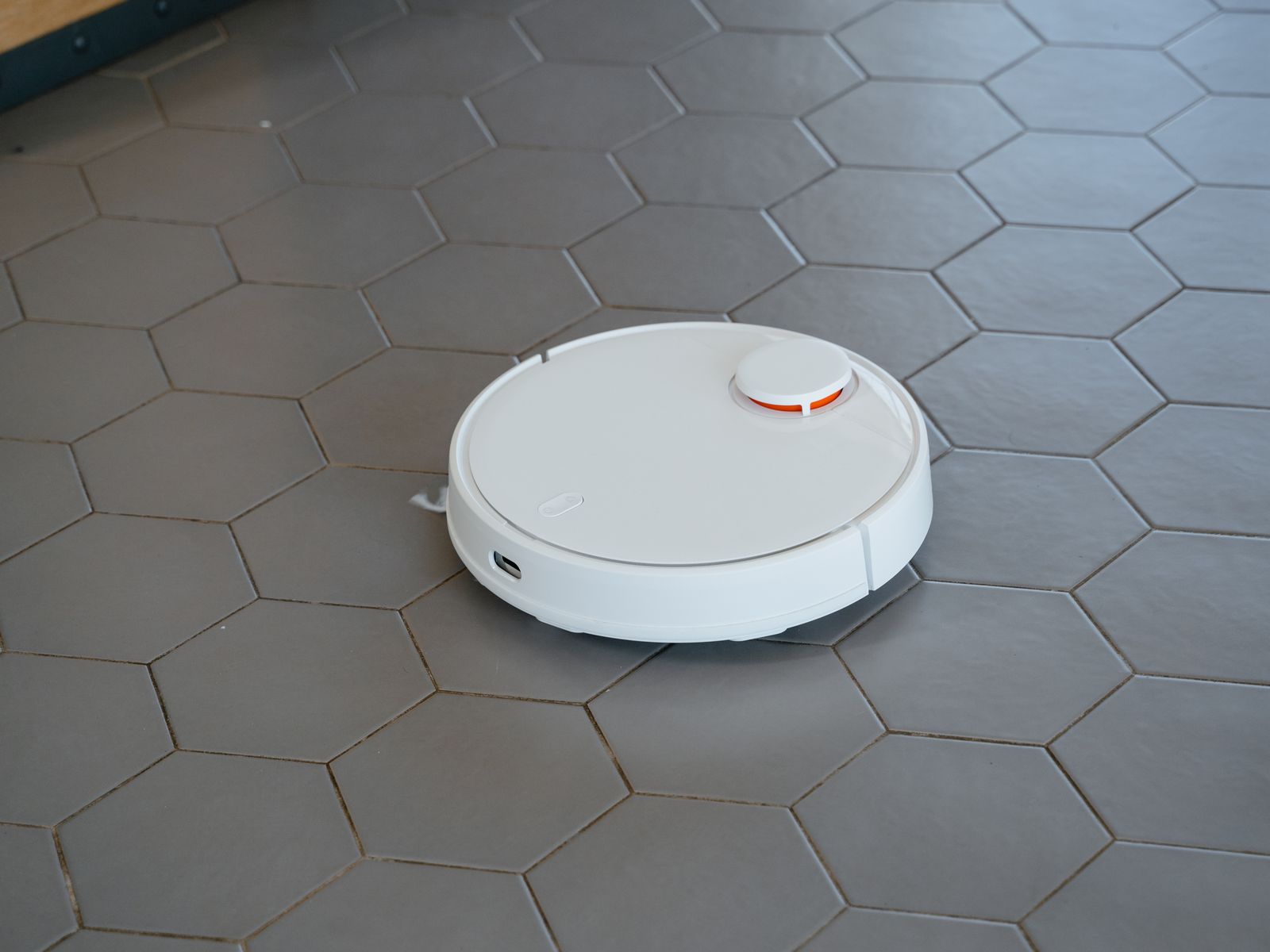
Entry-level robots use a gyroscope and bump sensors. They cover a room in rough rows or a semi-random pattern, often miss patches, and cannot be sent to a specific room. LiDAR robots use a spinning laser, usually in a small turret on top, to draw an accurate floor plan within one or two runs. They work in the dark and let you set no-go zones and room-by-room schedules in the app. Camera-based robots map with an upward or forward-facing camera; they can be lower in height but need some light to work well.
If your budget allows only one upgrade, make it mapping. A mapped robot finishes faster, gets stuck less and can be told to clean just the kitchen after dinner.
How to read suction numbers
Suction is usually quoted in pascals (Pa), and the figures have climbed quickly in recent years. The problem is that manufacturers do not all measure it the same way, so a higher number from one brand does not guarantee better pickup than a lower number from another.
What you can judge from a spec sheet is the brush system. Rubber or silicone rollers tangle less with long hair than bristle brushes. Dual rollers tend to do better on carpet. A wide, floating brush head keeps contact on uneven floors. For hard floors with light dust and crumbs, almost any modern robot has enough suction; thick carpet and pet hair are where the stronger models earn their price.
Docks: from charging pad to full base station
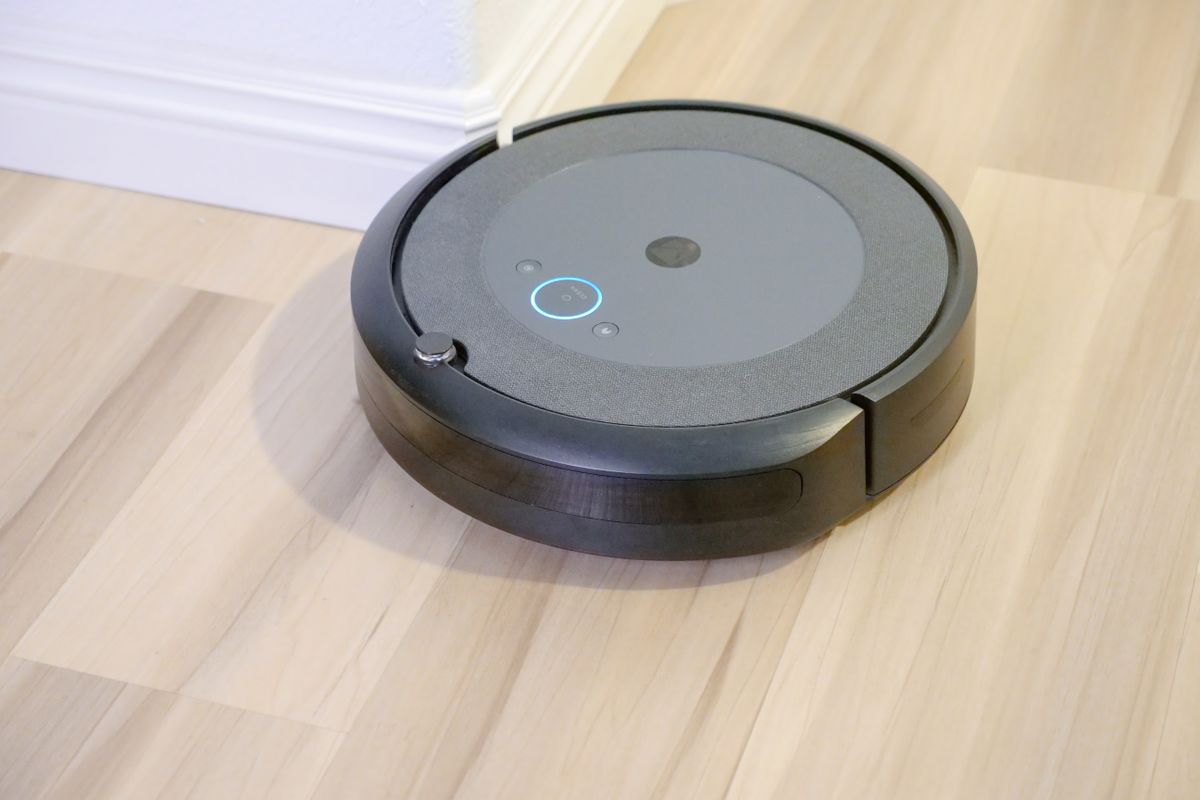
A robot's onboard dustbin is small, typically a few hundred millilitres, and with pets it can fill in a single run. A self-emptying dock sucks the bin into a larger bag or bagless container that only needs attention every several weeks.
Higher-end base stations add more: they refill the robot's water tank, wash the mop pads and dry them with warm air. These docks are convenient, but they are also large, need clean and dirty water tanks emptied, and add consumables such as bags and cleaning solution to the running cost.
Mopping and obstacle avoidance
Robot mopping ranges from a damp cloth dragged behind the vacuum to spinning or vibrating pads that apply real pressure. The dragged-cloth type freshens up a floor but will not lift dried spills. If you have rugs, look for a model that lifts or detaches its mop when it detects carpet.
Front-facing obstacle avoidance, using a camera or structured light, helps the robot steer around cables, socks and pet accidents. It is worth paying for in homes with pets or children, and less important if your floors are usually clear.
What to expect at each price tier
| Tier | Typical price | What you get |
|---|---|---|
| Basic | Under $250 | Gyroscope or bump navigation, charging pad only, small bin |
| Mapped | $250 – $500 | LiDAR or camera mapping, app room control, sometimes a self-emptying dock |
| Combo | $500 – $900 | Vacuum and mop, self-emptying dock, obstacle avoidance |
| Full station | $900 and up | Dock that empties, refills water, washes and dries the mop pads |
Who it suits
A good choice if
- You have mostly hard floors or low-pile rugs
- You want floors maintained daily with little effort
- You have pets that shed and can add a self-emptying dock
Think twice if
- Your home has many thresholds, stairs or thick shag carpet
- Floors are regularly covered with cables and small objects
- You expect it to fully replace a deep clean with an upright vacuum
Questions
How tall is a robot vacuum?
Models with a LiDAR turret are usually around 3.5 to 4 inches tall. Check the gap under your sofa, bed and cabinets; a robot that cannot fit will simply skip those areas.
Do robot vacuums work on carpet?
They handle low and medium-pile carpet well, usually boosting suction automatically. Very thick or shag carpet can stall the wheels and brushes.
How often does a self-emptying dock need emptying?
It depends on the home, but manufacturers commonly quote several weeks per bag. Homes with shedding pets will fill it faster.
The bottom line
Prioritise mapping first, a self-emptying dock second, and treat everything else as a nice extra. A mid-range mapped robot with a dock will satisfy most homes better than a flagship bought for its suction figure.
How this guide was made. It is based on published specifications and general product research, not laboratory testing. Prices are approximate, in US dollars, and change often. It is general information, not professional advice.