At a glance
- Stated capacity is the whole basket; usable capacity is a single layer of food.
- Basket models are faster and easier to clean; oven models are more versatile but bulkier.
- Check wattage against your kitchen circuit and leave space behind the unit for the exhaust.
How much capacity you actually need
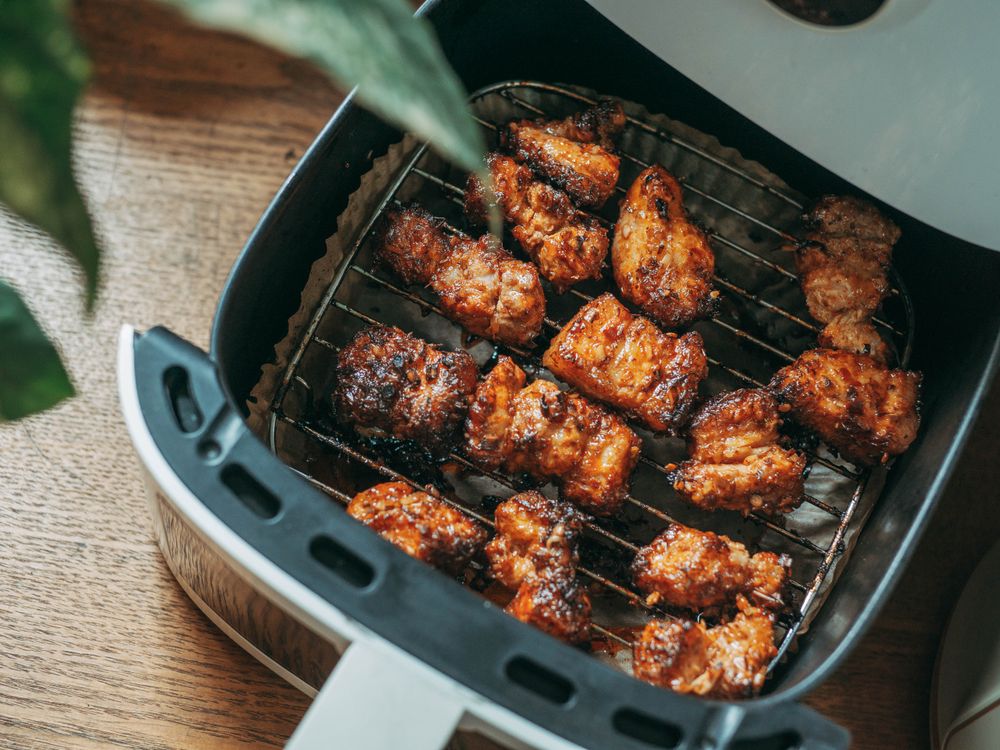
An air fryer is a small convection oven with a powerful fan. Food crisps only where hot air can reach it, so what matters is the flat cooking area rather than the quart figure on the box. A basket piled high steams instead of crisping.
As a rough guide, 2 to 4 quarts suits one or two people, and 5 to 6 quarts suits three or four. Square or rectangular baskets fit more food in a single layer than round ones of the same volume.
Basket versus oven style
Basket air fryers have a pull-out drawer. They preheat in a couple of minutes, cook quickly because the chamber is small, and are simple to shake mid-cook. Dual-basket versions cook two foods at different temperatures and can finish them at the same time.
Oven-style models look like a toaster oven with racks. They can toast, bake and sometimes rotisserie, and they hold a flat tray of food. In exchange they take more counter space, preheat more slowly and have more surfaces, racks and a door to clean.
Wattage and where it will sit
Most air fryers draw between about 1,200 and 1,800 watts. Higher wattage recovers heat faster after you open the drawer. On a standard 15-amp household circuit, a high-wattage fryer running alongside a kettle or microwave on the same circuit can trip the breaker.
Hot air vents from the back or top, so leave several inches of clearance and do not run it directly under low cabinets. In a small kitchen, measure the height with the drawer or door open as well as the footprint.
Cleanup is the feature you live with
A removable non-stick basket and crisper plate that can go in the dishwasher is the easiest setup. Hand-washing with a soft sponge will make the coating last longer either way. Avoid metal utensils and aerosol cooking sprays, both of which can damage non-stick surfaces; use a brush or pump sprayer with oil instead.
If you prefer to avoid non-stick coatings, look for models with stainless steel or ceramic-coated baskets, and expect to soak them a little longer.
Choosing a size
| Household | Capacity | Style to consider |
|---|---|---|
| 1 person | 2 – 3 qt | Compact basket |
| 2 people | 3 – 4 qt | Basket |
| 3 – 4 people | 5 – 6 qt | Large basket or dual basket |
| 5 or more, or batch cooking | 8 qt and up | Dual basket or oven style |
Who it suits
A good choice if
- You cook small portions and want them fast and crisp
- You reheat leftovers and want better results than a microwave
- You have a clear stretch of counter with space behind it
Think twice if
- You already own a convection oven and have little counter space
- You regularly cook for a crowd in one batch
- You want truly deep-fried texture; air frying is close, not identical
Questions
Do air fryers need oil?
Very little. A light coating helps browning on fresh vegetables and potatoes; frozen foods usually need none.
Do I need to preheat?
Many models do not require it, but two or three minutes of preheating gives more even browning.
Can I use foil or parchment?
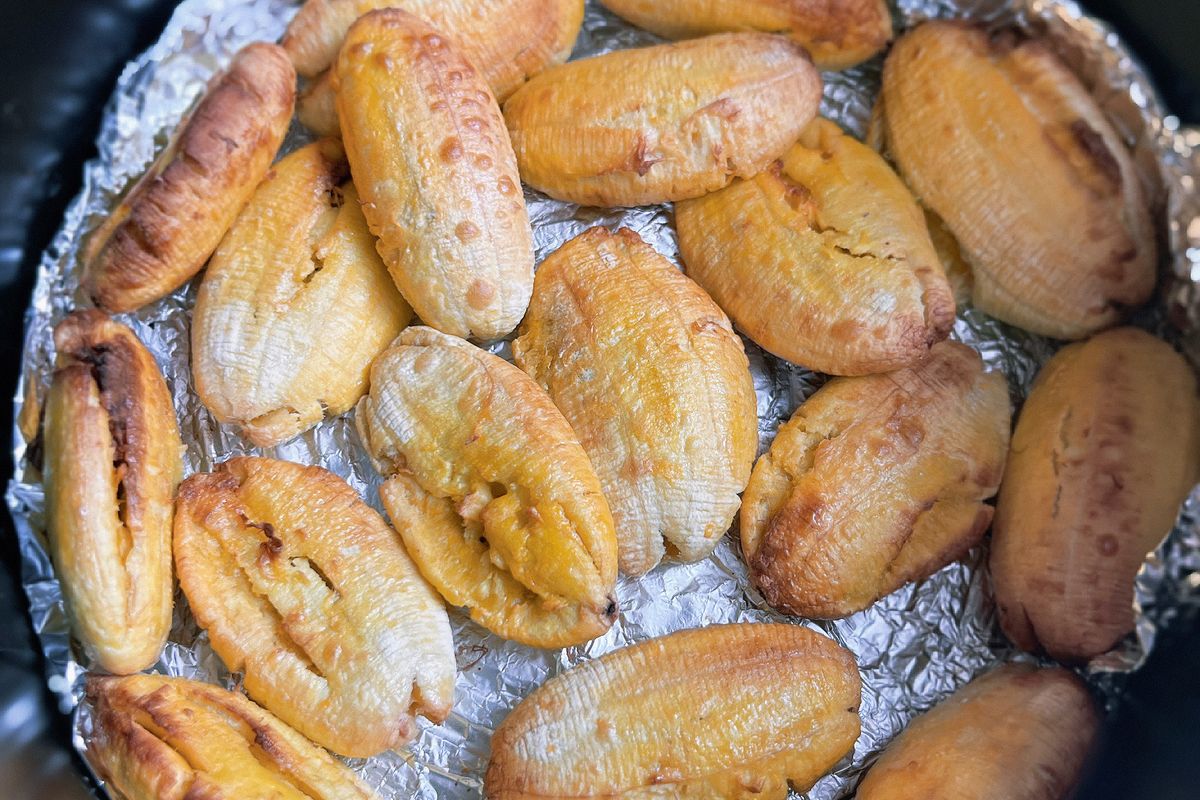
Yes, if it is weighed down by food and does not block the airflow holes. Never preheat with loose parchment inside.
The bottom line
For a small kitchen, a 3 to 4 quart basket model with dishwasher-safe parts is the practical choice. Step up to a dual basket only if you regularly cook two things at once.
How this guide was made. It is based on published specifications and general product research, not laboratory testing. Prices are approximate, in US dollars, and change often. It is general information, not professional advice.