At a glance
- L-ascorbic acid is the most studied form of vitamin C, and also the least stable.
- Concentrations between 10% and 20% are the usual range; more is not automatically better.
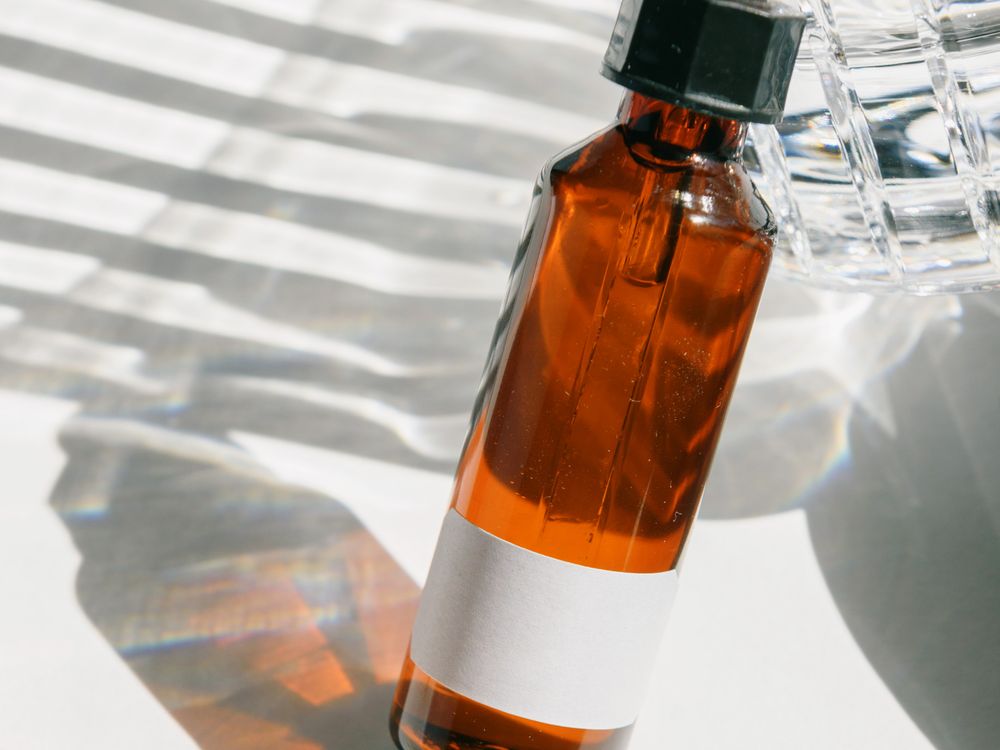
- Opaque, air-restricting packaging protects the formula; a clear dropper bottle on a sunny shelf does not.
- A serum that has turned dark orange or brown has oxidised and should be replaced.
The forms of vitamin C
On an ingredient list, pure vitamin C appears as ascorbic acid or L-ascorbic acid. It has the most research behind it for brightening and antioxidant protection, but it breaks down quickly when exposed to air, light and heat, and it needs an acidic formula to work, which some skin finds irritating.
Derivatives are modified forms designed to be more stable and gentler. Common ones include sodium ascorbyl phosphate, magnesium ascorbyl phosphate, ascorbyl glucoside, 3-O-ethyl ascorbic acid and tetrahexyldecyl ascorbate. They generally have less evidence behind them than pure ascorbic acid, but they suit sensitive skin and last longer once opened.
Concentration: the useful range
For L-ascorbic acid, most serums fall between 10% and 20%. Below that, results may be modest; above it, irritation tends to increase without clear extra benefit. If you are new to vitamin C or have reactive skin, starting around 10% and using it every other day is a sensible approach.
Percentages for derivatives are not directly comparable to L-ascorbic acid, so do not judge two different forms by the number alone.
Why packaging matters so much
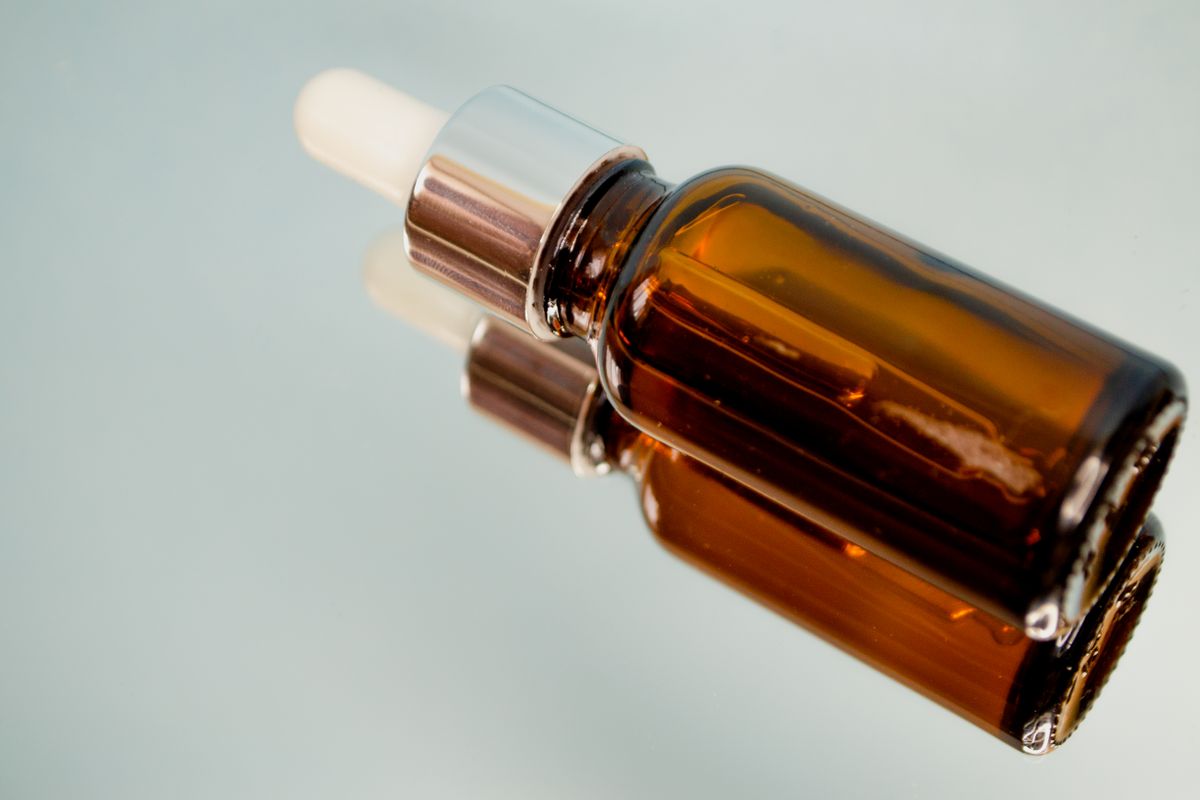
Because vitamin C oxidises, how a serum is packaged affects how long it stays effective. Opaque or dark glass limits light. Airless pumps limit oxygen exposure far better than a dropper that is opened daily. Smaller bottles are often the better buy, because you finish them before the formula degrades.
Formulas that pair L-ascorbic acid with vitamin E and ferulic acid are popular because that combination has been shown to improve stability. Storing the bottle somewhere cool and dark, and closing it promptly, helps with any formula.
How to use it
Vitamin C is typically applied in the morning on clean skin, followed by moisturiser and sunscreen. It complements sunscreen; it does not replace it. A few drops for the whole face is enough.
Patch test a new serum on a small area first. Mild tingling can be normal with acidic formulas, but persistent redness or stinging is a sign to stop. For ongoing skin concerns, a dermatologist is the right person to ask.
Common forms at a glance
| Form | Stability | Best suited to |
|---|---|---|
| L-ascorbic acid | Low; oxidises quickly | Those wanting the most studied option |
| Sodium / magnesium ascorbyl phosphate | Good | Sensitive or blemish-prone skin |
| Ascorbyl glucoside | Good | Beginners wanting a gentle start |
| 3-O-ethyl ascorbic acid | Good | A balance of stability and potency |
| Tetrahexyldecyl ascorbate | Very good; oil-soluble | Dry skin, richer textures |
Who it suits
A good choice if
- You want an antioxidant step under your morning sunscreen
- You are targeting dullness or uneven tone and can be consistent
- You will store it properly and finish the bottle within a few months
Think twice if
- Your skin reacts to acidic products; try a derivative instead
- You tend to leave products half-used for a year
- You expect overnight results; changes take weeks of regular use
Questions
What colour should a vitamin C serum be?
Fresh L-ascorbic acid serums are usually clear to pale straw. A deep orange or brown colour means the vitamin C has oxidised.
Is an expensive serum better?
Not necessarily. Price often reflects brand and texture. The form, concentration and packaging tell you more than the price tag.
How long does an opened bottle last?
L-ascorbic acid serums are generally best used within about three months of opening. Stable derivatives last longer.
The bottom line
Choose the form your skin tolerates, a concentration in the middle of the range and packaging that keeps out light and air. Those three things matter more than the price.
How this guide was made. It is based on published specifications and general product research, not laboratory testing. Prices are approximate, in US dollars, and change often. It is general information, not professional advice.