At a glance
- Battery capacity in watt-hours is the number to compare; divide by about 20 for a realistic range in miles.
- E-bikes are heavy. If you carry yours up stairs, weight matters more than top speed.
- Look for a certified battery and electrical system, and hydraulic disc brakes.
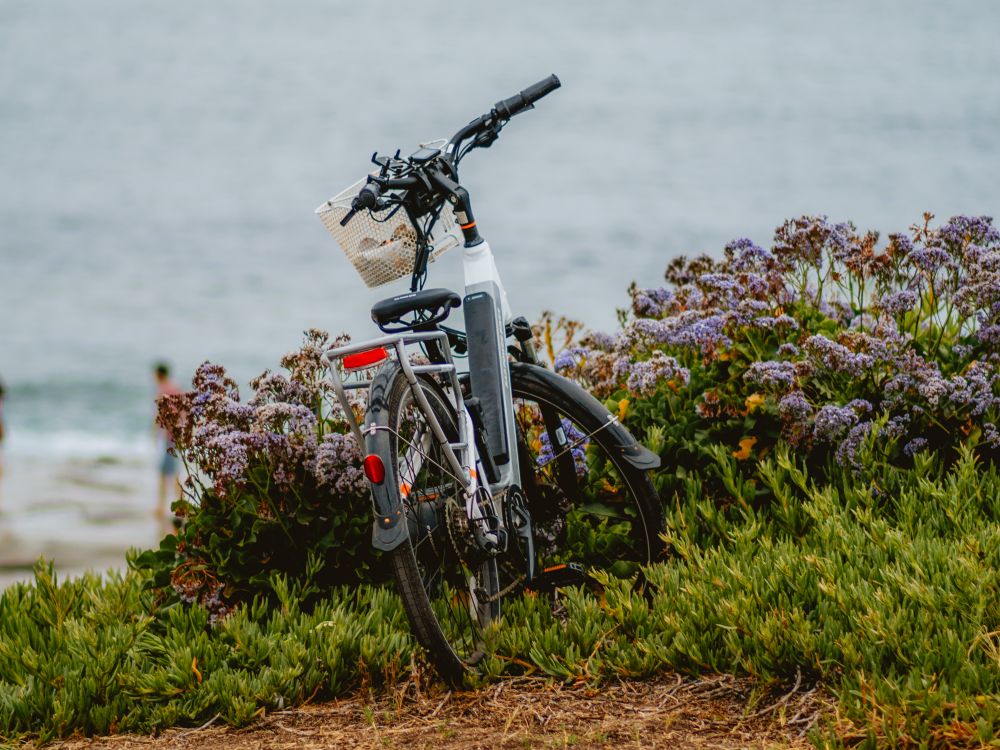
- Fenders, lights and a rack cost more to add later than to buy fitted.
Working out real range
Manufacturers quote range using the lowest assist level, a light rider and flat ground. A more useful figure is battery capacity in watt-hours (Wh), found by multiplying volts by amp-hours. A 48 V, 10 Ah battery holds 480 Wh.
In mixed real-world riding, an e-bike uses very roughly 15 to 25 Wh per mile depending on assist level, hills, wind, rider weight and tyre pressure. Dividing capacity by 20 gives a cautious estimate: about 24 miles for that 480 Wh battery. Cold weather reduces it further. Choose a battery that covers your round trip with a comfortable margin.
Motor type and how the assist feels
Hub motors sit in the rear or front wheel. They are simple, affordable and need little maintenance, which suits flat to rolling commutes. Mid-drive motors sit at the pedals and work through the bike's gears, so they climb better and feel more natural, at a higher price.
The sensor matters as much as the motor. A cadence sensor switches power on when the pedals turn, which can feel abrupt. A torque sensor measures how hard you push and adds power in proportion, giving a smoother ride and usually better range.
Weight, brakes and tyres
Commuter e-bikes commonly weigh between 45 and 70 pounds. That is fine on the road but a real issue on stairs, bike racks and trains. If you need to lift the bike regularly, look at lighter models or a removable battery to shed a few pounds.
Heavier, faster bikes need stronger brakes. Hydraulic disc brakes offer more stopping power and less hand effort than mechanical ones, especially in the wet. Wider tyres add comfort and puncture resistance; narrower ones roll faster.
Classes and battery safety
In the United States, e-bikes are commonly grouped into three classes: Class 1 assists only while pedalling up to 20 mph, Class 2 adds a throttle up to 20 mph, and Class 3 assists while pedalling up to 28 mph. Rules on where each class may ride vary by state and city, so check locally.
For safety, look for a battery and electrical system certified to recognised standards such as UL 2849 or UL 2271. Use the charger supplied with the bike, and avoid charging unattended overnight or next to an exit.
Rough range by battery size (mixed riding)
| Battery | Cautious estimate | Suits |
|---|---|---|
| 250 – 350 Wh | 12 – 18 miles | Short urban hops, lighter bikes |
| 400 – 500 Wh | 20 – 25 miles | Typical daily commute |
| 600 – 750 Wh | 30 – 38 miles | Long commutes, hills, cargo |
| 900 Wh and up | 45 miles or more | Heavy loads, infrequent charging |
Who it suits
A good choice if
- Your commute is 3 to 15 miles each way
- You want to arrive without needing a shower
- You have secure ground-level storage and a place to charge
Think twice if
- You must carry the bike up several flights of stairs daily
- You have nowhere secure to lock or store it
- Local rules restrict the class of bike you were planning to buy
Questions
How long does charging take?
Most batteries take three to six hours for a full charge with the standard charger. Larger batteries take longer.
How long does an e-bike battery last?
Lithium-ion batteries are commonly rated for several hundred full charge cycles before capacity noticeably drops, which is a few years of regular commuting.
Can I ride an e-bike in the rain?
Most are built to handle rain. Avoid pressure washers and deep standing water, and dry the contacts before charging.
The bottom line
Size the battery to your round trip, be honest about how often you will lift the bike, and insist on certified electrics and good brakes. Those choices matter more than motor wattage.
How this guide was made. It is based on published specifications and general product research, not laboratory testing. Prices are approximate, in US dollars, and change often. It is general information, not professional advice.